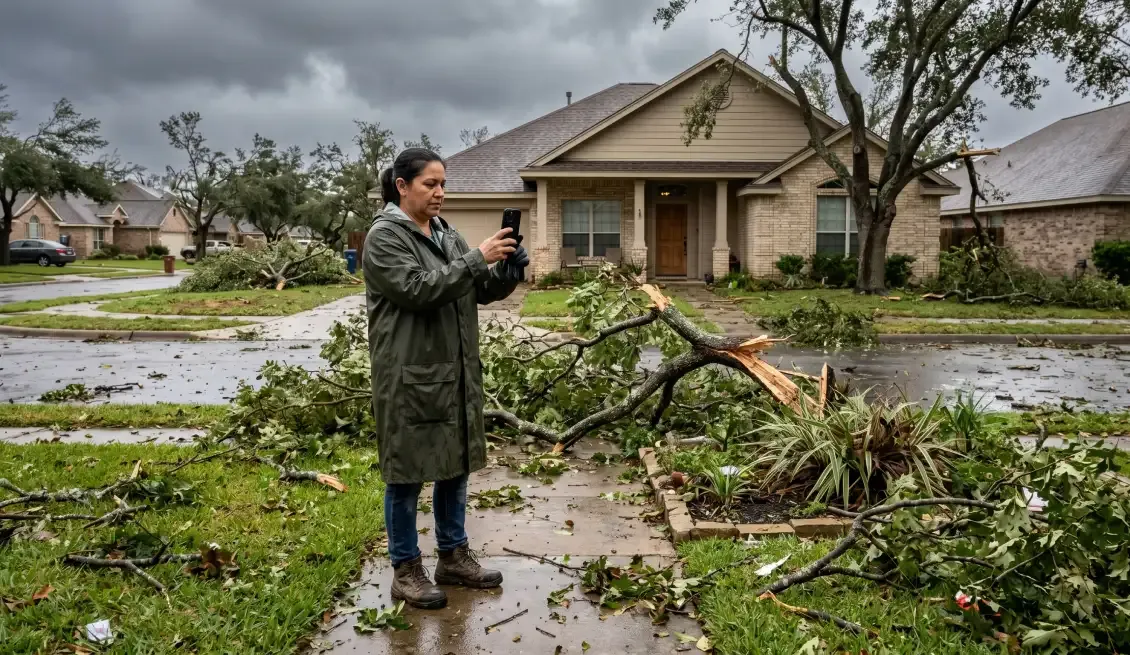
Once a storm passes, it is tempting to check the roof right away. Give yourself time to make sure it is safe outside. Follow local weather alerts, stay away from power lines and leave the ladder put away.
This checklist can help you plan the next steps. Take care of people first. Photos and repairs can wait until it is safe to act.
1. Check for urgent hazards
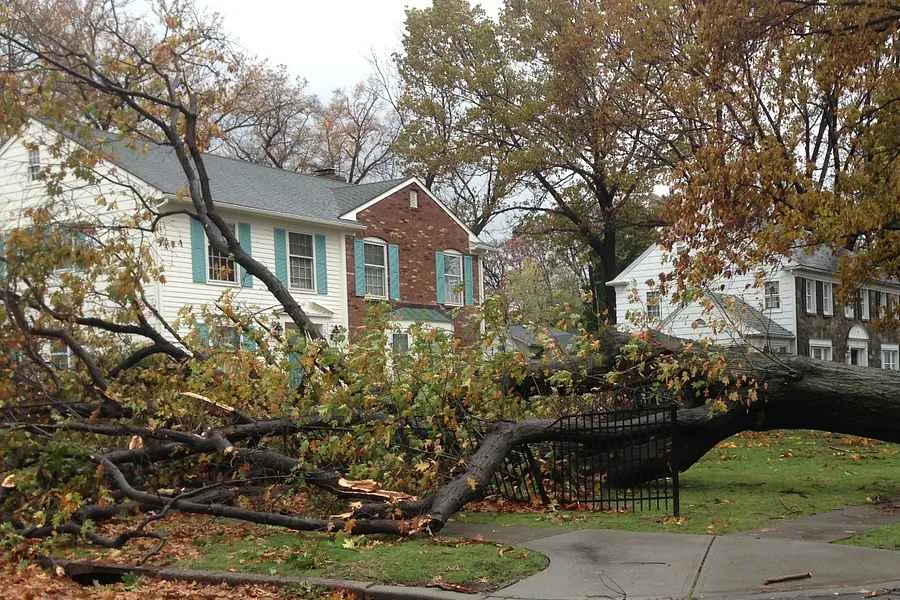
Look for fallen wires, unstable tree limbs and signs of major damage. Indoors, keep away from sagging ceilings and water near lights or outlets. Call 911 for an immediate threat to life.
Do not climb onto a wet roof or enter an unsafe attic. A damaged roof may not support your weight. Follow the National Weather Service’s storm safety guidance .
2. Look from safe places
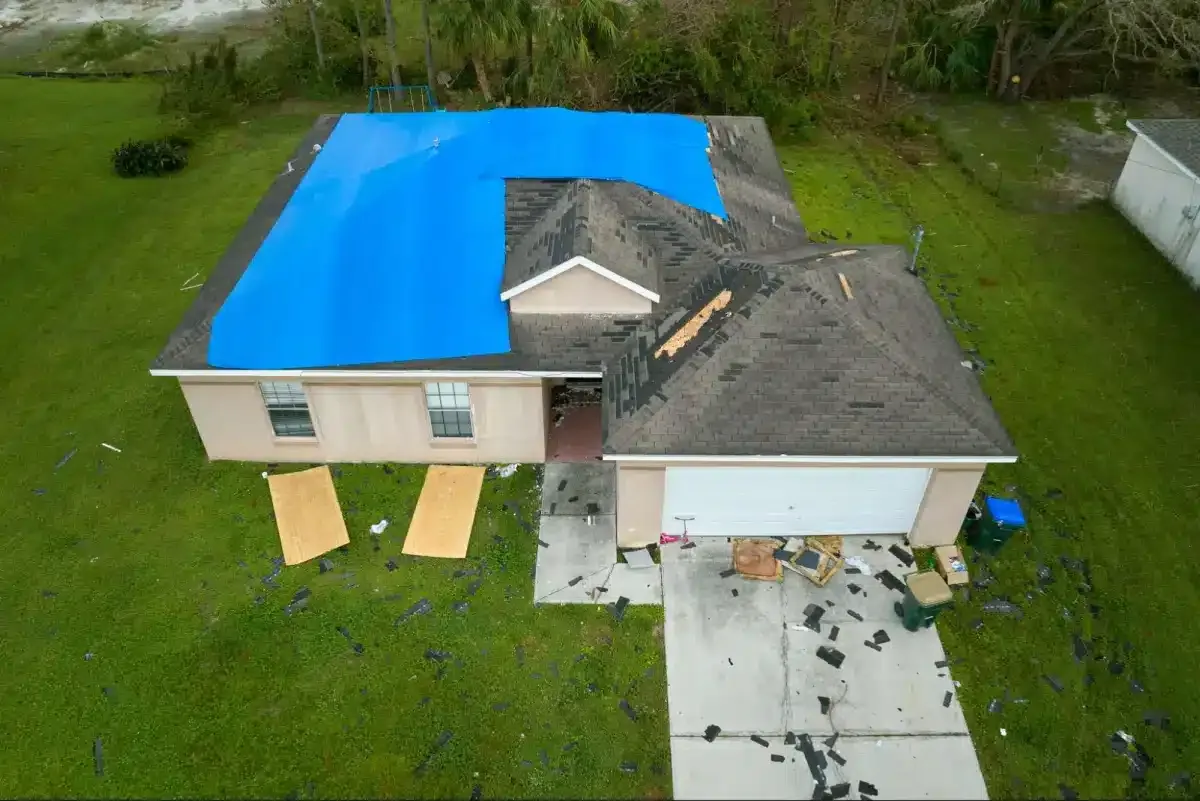
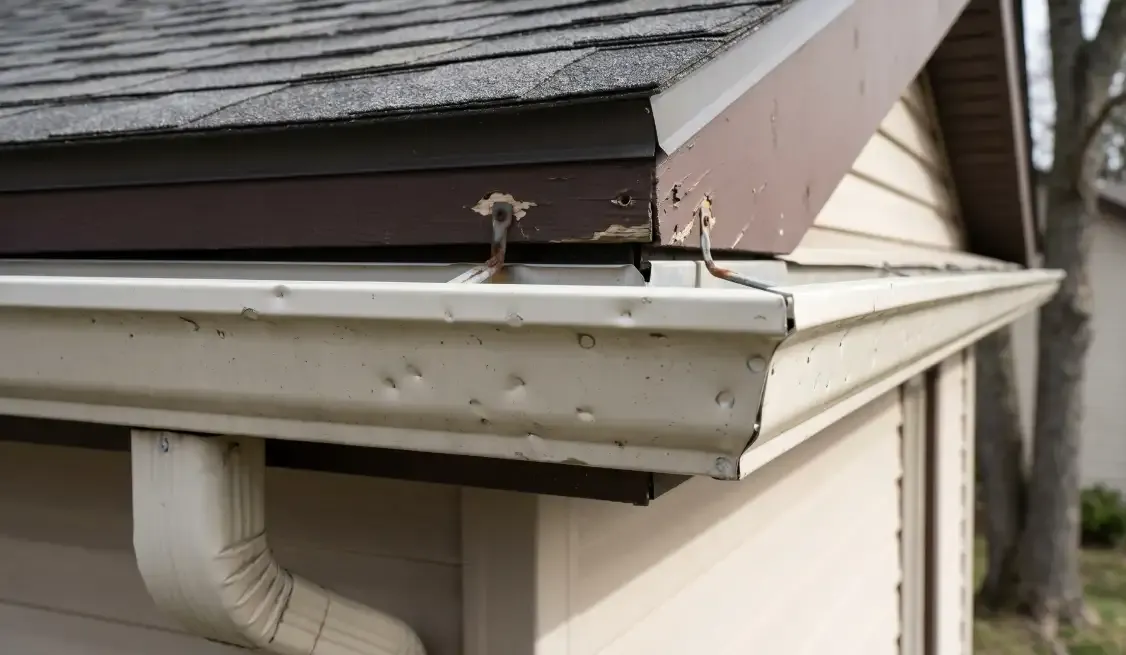
From the ground, look for missing shingles, bent gutters or broken roof edges. Inside, note new drips or water stains where you can see them safely.
These signs can point to a problem. They do not tell you the full extent of the roof damage. A roof can also have damage that is hard to see from below.
3. Keep a simple record
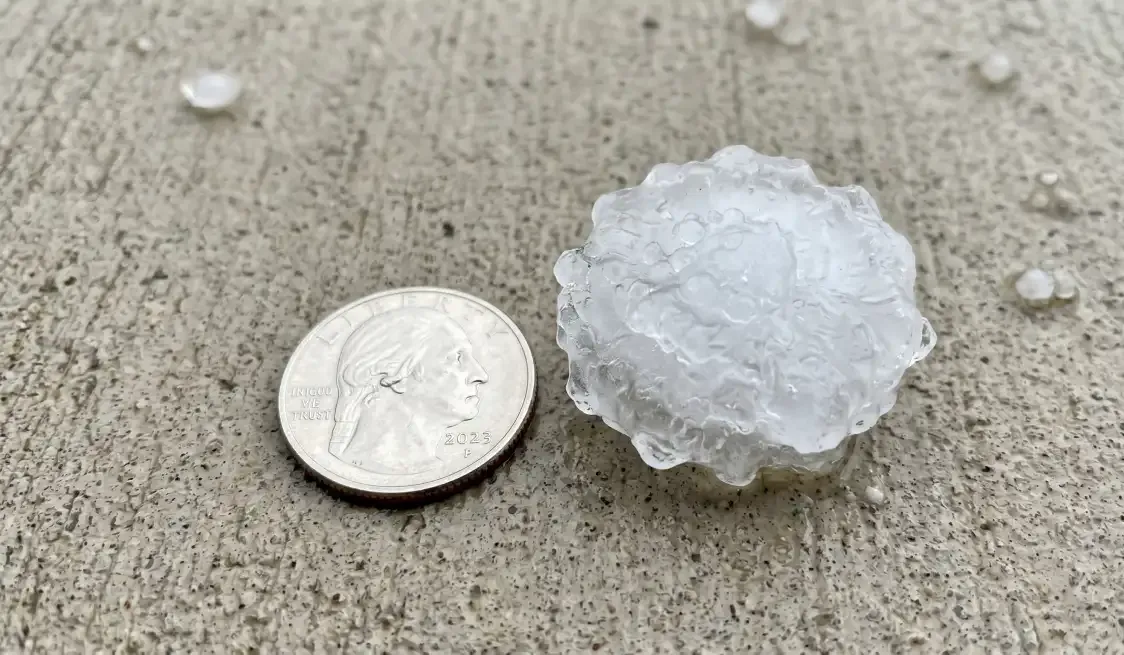
Take a wide photo to show where each problem is. Add closer photos if you can get them safely. Write down the storm date and when you first noticed the damage.
Save photos, repair receipts and messages in one folder. You do not need a set number of pictures. Clear views of the actual damage are more useful than lots of similar shots.
4. Report damage and limit more harm
Contact your insurance company promptly. Ask about your deadline, temporary repairs and any inspection needed before permanent work. Do not wait for a complete roof report if that would delay required notice.
If water is getting in, ask a roofer about temporary protection. Move belongings only when safe. Keep the receipts and take photos before work when you can do so safely. TDI explains what to do when filing a claim .
5. Get the roof inspected
Arrange a professional roof inspection . Ask for photos, an explanation of the findings and a written scope for any repairs.
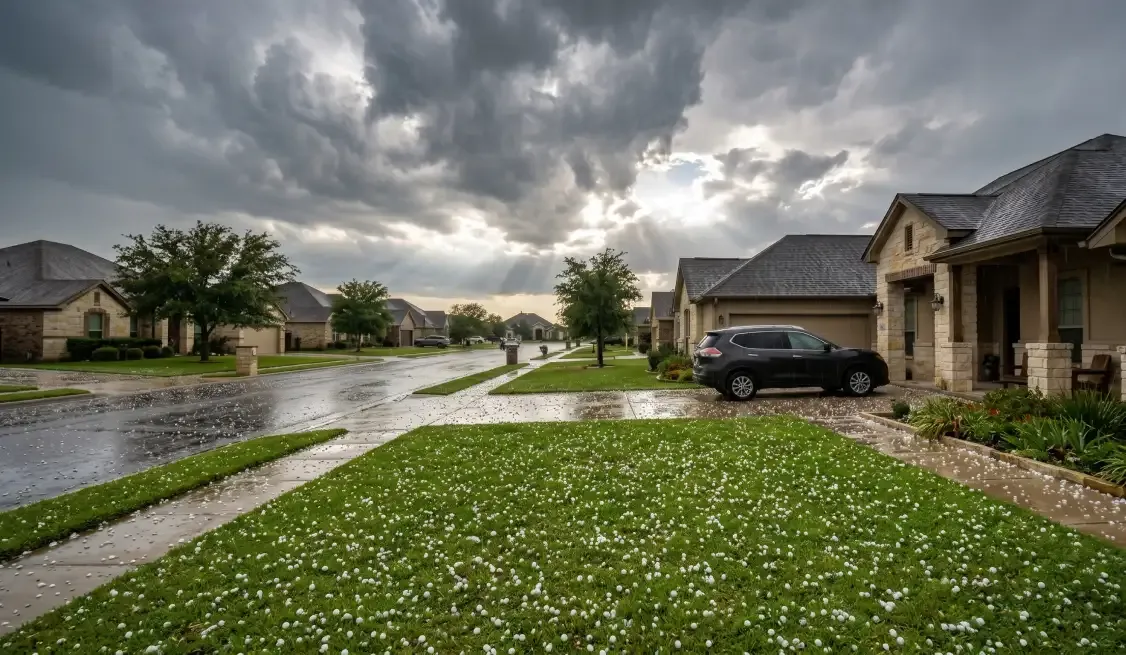
A roofer can explain the damage and cost of the work. Your insurer decides what is covered. There is no hail size or roof age that guarantees a new roof will be paid for.
Read any offer with care
Get time to read the contract. Check the business’s contact details, references and proof of insurance. Avoid blank spaces in a contract and pressure to pay the full price up front.
An out-of-state plate alone does not prove a scam. Focus on facts you can check. An offer to waive your insurance deductible is a clear problem under Texas law. Read our guide to roof deductibles before you sign.
Need someone to check your roof?
Cox Brothers Roofing serves Cuero, Victoria, Goliad and nearby South Texas towns. We can inspect the roof, explain what we find and quote the work. Request an inspection or call (361) 277-0014.
Frequently Asked Questions
Should I call my insurance company or a roofer first?
Handle urgent safety needs first. Report the damage promptly and arrange an inspection. Do not delay required notice while waiting for a roofer, or leave an active leak unchecked while waiting for an adjuster.
Do I need to climb up to check for hail damage?
No. Take photos from safe places on the ground. Leave roof access and close inspection to a trained roofer.