
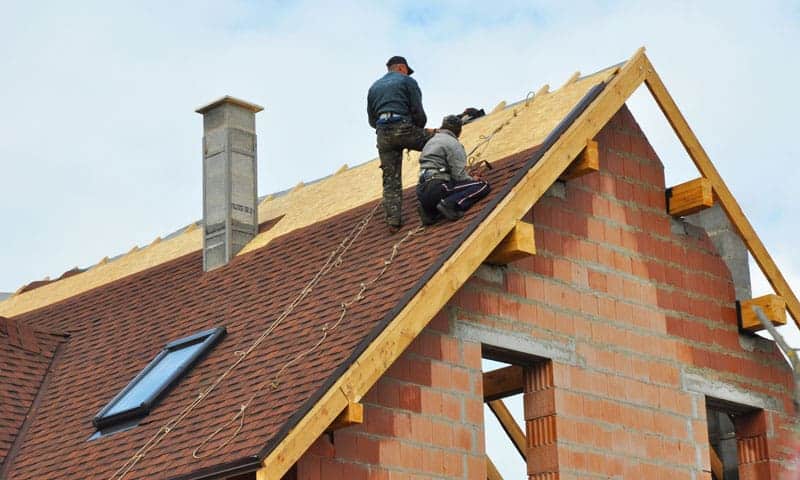
Your roof took a hit last night. Maybe it was hail the size of golf balls, maybe a branch came through during straight-line winds. Either way, you’re standing in your kitchen staring at a water stain on the ceiling, and the first thought is: will insurance cover this?
The answer depends almost entirely on what you do in the next 48 hours. A roof damage insurance claim that’s filed correctly with solid documentation gets approved. One that’s rushed, incomplete, or poorly timed gets denied. Texas insurance companies denied or closed without payment nearly 47% of homeowner claims in recent years. You don’t want to be in that half.
Here’s how to give your claim the best shot at full approval.
Document Everything Before You Call Your Insurance Company
The single biggest mistake Texas homeowners make with a roof damage insurance claim is calling their insurer before they have evidence. Your insurance adjuster works for the insurance company. Their job is to keep payouts low. Your job is to hand them so much proof that denying the claim becomes harder than approving it.
Start with your phone. Walk the perimeter of your house and photograph every piece of damage you can see from the ground. Dented gutters, cracked siding, shingle pieces in the yard, granules piled near downspouts. Take wide shots that show the full side of your house, then close-ups of each damaged area. Photograph your neighbor’s damage too, if it’s visible. Timestamp everything.
Inside, check ceilings, walls, and your attic for water stains, dripping, or daylight coming through. Photograph all of it. The more evidence you collect before the adjuster arrives, the stronger your position.
Call a Roofing Contractor for an Independent Inspection
Before your insurance adjuster sets foot on your property, get a professional roof inspection from a licensed contractor. Most reputable roofers offer free storm damage inspections, and they know exactly what adjusters look for. Cox Brothers Roofing offers free roof inspections across South Texas for exactly this reason.
A good contractor will climb up, document every dent, crack, and missing shingle with photos and measurements, and provide a written report with repair or replacement estimates. This report becomes your leverage. If the adjuster’s assessment comes in lower, you have a professional second opinion ready to go.
One important note: Under Texas UPPA laws, your roofer cannot negotiate with the insurance company on your behalf. Only a licensed public adjuster or attorney can do that. But your contractor can be present during the adjuster’s inspection, walk the roof with them, and point out damage the adjuster might miss.
Filing the Claim: Timing and Process
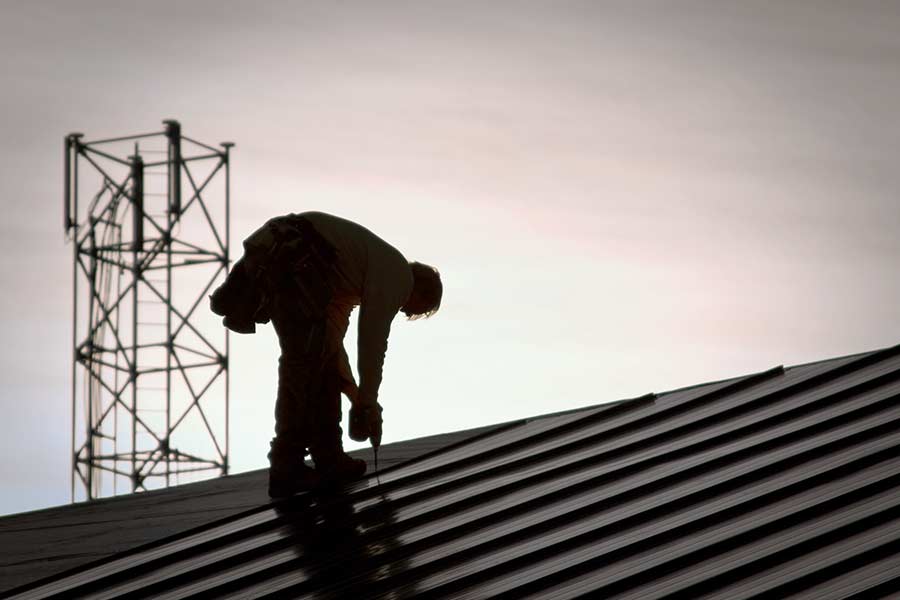
Texas law gives you up to one year from the date of the storm to file a roof damage insurance claim. But waiting is a terrible strategy. File within 72 hours of the event if possible. The longer you wait, the easier it is for the insurance company to argue that additional damage occurred after the storm, or that you failed to mitigate.
When you call your insurer, have these ready: your policy number, the date and approximate time of the storm, photos and videos of damage, and your contractor’s inspection report if available. Be specific about what happened. “Hail and wind damage from the April 12 storm” is better than “my roof is leaking.”
Your insurance company will send an adjuster, usually within 7 to 14 days. Ask your roofer to be there. Two sets of eyes catch more damage than one, and adjusters are less likely to lowball a scope when a knowledgeable contractor is standing next to them.
What Happens If Your Claim Gets Denied?
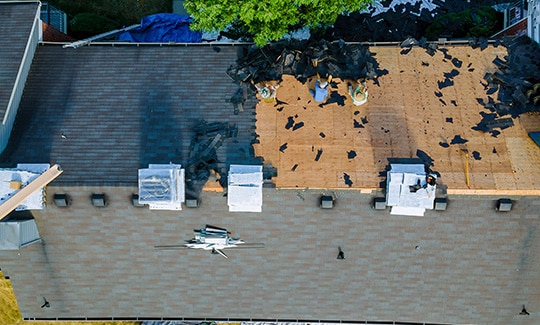
A denial letter is not the end. It’s the beginning of the appeals process. Start by reading the denial carefully. The insurer is required to cite the specific policy language behind their decision. Common reasons include “wear and tear,” “pre-existing damage,” or “lack of documentation.”
If you disagree, you have options. Request a re-inspection with your contractor present. Gather additional evidence: maintenance receipts, prior inspection reports, before-and-after photos. Submit a formal written appeal with all supporting documents attached.
Many Texas policies include an appraisal clause. This allows both you and the insurer to hire independent appraisers who then agree on an umpire to determine the loss amount. It’s faster and cheaper than a lawsuit, and it often results in a higher payout than the original denial.
If all else fails, consulting an insurance attorney may be your best move. Texas law allows homeowners to recover attorney fees and additional damages if an insurer acts in bad faith.
Protect Your Claim Before the Next Storm
The best time to prepare for a roof damage insurance claim is before you need one. Get annual roof inspections and keep the receipts. Those records prove ongoing maintenance and destroy the “lack of upkeep” argument that insurers love to use.
Review your policy every renewal period. Check whether your roof coverage is replacement cost or actual cash value. Replacement cost pays for a new roof at current prices. Actual cash value deducts for depreciation, which can cut your payout by thousands on an older roof.
If your roof has already sustained storm damage, Cox Brothers Roofing provides hail damage repair services and full roof replacements across Cuero, Victoria, and all of South Texas. Call (361) 277-0014 for a free inspection and get the documentation you need before your next claim.