

Texas averages over 400 hailstorms per year. That’s more than any other state. And after every one of them, thousands of homeowners look up at their roof from the driveway, see nothing obviously wrong, and assume they got lucky.
They didn’t. Hail damage on a roof is rarely obvious from the ground. The real damage happens at the granule level on shingles, in hairline cracks on tiles, and in soft spots you can only feel by walking the roof. Left unaddressed, that hidden hail damage shortens your roof’s life by years and voids warranty coverage.
What Hail Actually Does to Your Shingles
Asphalt shingles are coated with ceramic granules that protect the underlying mat from UV rays and moisture. When hail hits, it knocks those granules loose. You won’t see this from the ground. But check your gutters and downspouts after a storm. Piles of granules collecting there means your shingles took hits across the entire roof.
Beyond granule loss, hail creates bruising. Press on a damaged shingle and you’ll feel a soft spot, like pressing on a bruised apple. That soft spot is where the fiberglass mat beneath the granules cracked on impact. The shingle looks fine on the surface, but it’s structurally compromised and will fail years before it should.
Damage You Can Spot From the Ground
You don’t need to climb your roof to find hail damage clues. Start with everything around the house that’s made of metal or vinyl. Dented gutters, pockmarked downspouts, dings on your AC condenser unit, cracked window screens, and dents on mailboxes or outdoor light fixtures all tell the same story: the hail was big enough to damage your roof too.
Check your cars. If your vehicles have fresh dents, the hail was likely at least one inch in diameter. At that size, it carries enough force to crack shingles and dent flashing. Look at the siding on your house and any fence panels. Wood fences will show splintering or chipped paint in a line pattern from the hail’s direction.
On the roof itself, you can sometimes spot missing shingles, exposed black underlayment patches, or shingles that are cracked or curling at the edges. But absence of visible damage from the ground does not mean absence of damage.
Hidden Damage That Only a Professional Finds
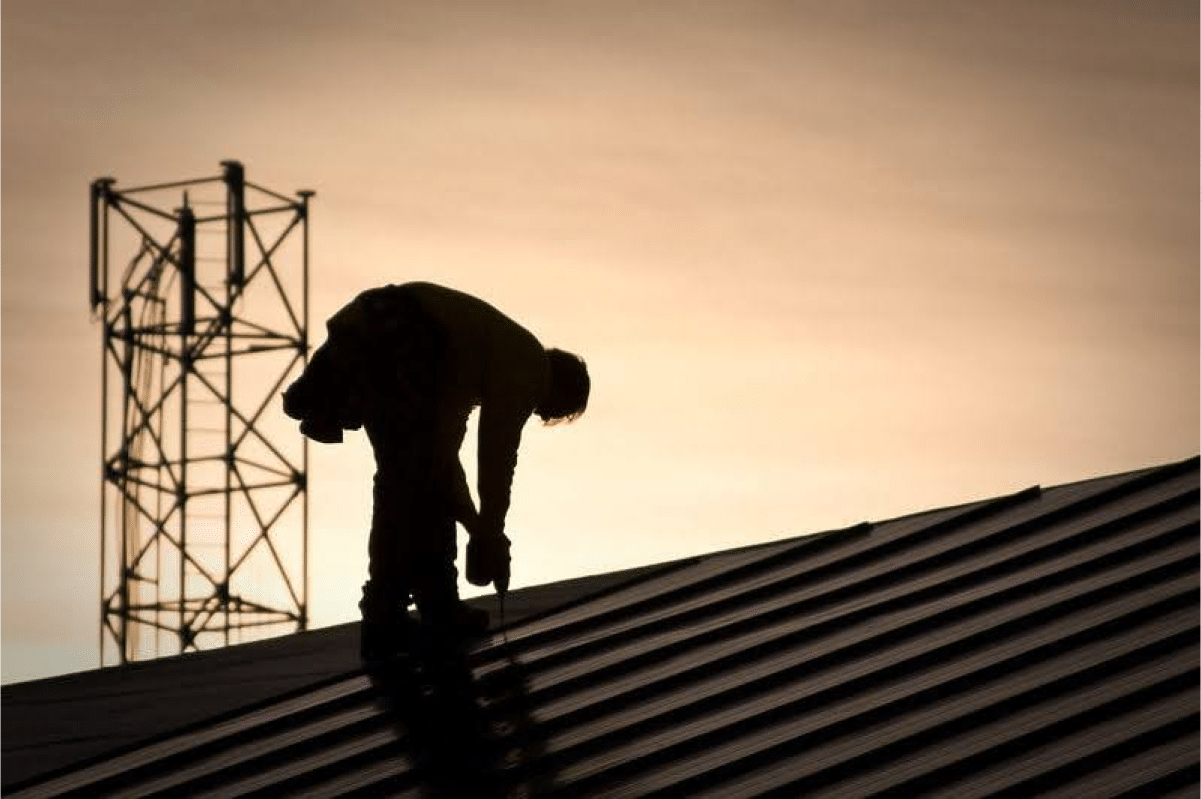
A trained roof inspector identifies damage patterns that homeowners can’t. They check every slope, valley, ridge cap, and penetration point. They look at flashing around chimneys, skylights, and pipe boots for dents or separation. Cox Brothers Roofing offers free hail damage inspections across South Texas after every major storm.
On asphalt roofs, inspectors use a specific test: they press their thumb into suspected impact points to feel for mat fractures underneath intact-looking granules. On metal roofs, they check panel seams for separation caused by repeated impacts. On tile roofs, they look for hairline cracks that let water through even though the tile appears whole.
The attic tells its own story. Water stains on decking, damp insulation, and daylight visible through the roof boards all point to damage that hasn’t shown up inside the house yet but will.
Timing Your Inspection and Insurance Claim
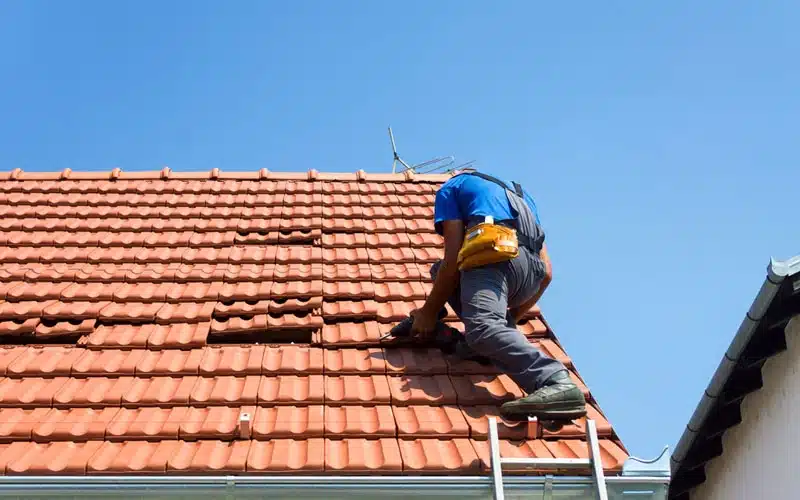
Get your roof inspected within 72 hours of a hailstorm. The earlier you document the damage, the harder it is for your insurance company to attribute it to age or wear. Texas allows up to one year from the date of loss to file a claim, but earlier is always better. Schedule a professional roof inspection as soon as the storm passes.
If your inspector finds damage, file your claim immediately. Have the inspection report, photos, and a written repair or replacement estimate ready to share with your adjuster. Ask your roofer to be present during the insurance inspection.
Class 4 Shingles: An Investment That Pays for Itself
If you do need a replacement, ask about Class 4 impact-resistant shingles. They’re rated to withstand two-inch hail and can reduce future damage by up to 90% compared to standard architectural shingles. Many Texas insurance companies offer premium discounts of 5% to 35% for Class 4 roofs, which can offset the higher material cost within a few years.
Don’t wait for leaks to show up inside your house. By that point, you’re dealing with water damage, mold, and a repair bill that dwarfs what a simple roof repair would have cost. Call Cox Brothers Roofing at (361) 277-0014 for a free post-storm inspection.