
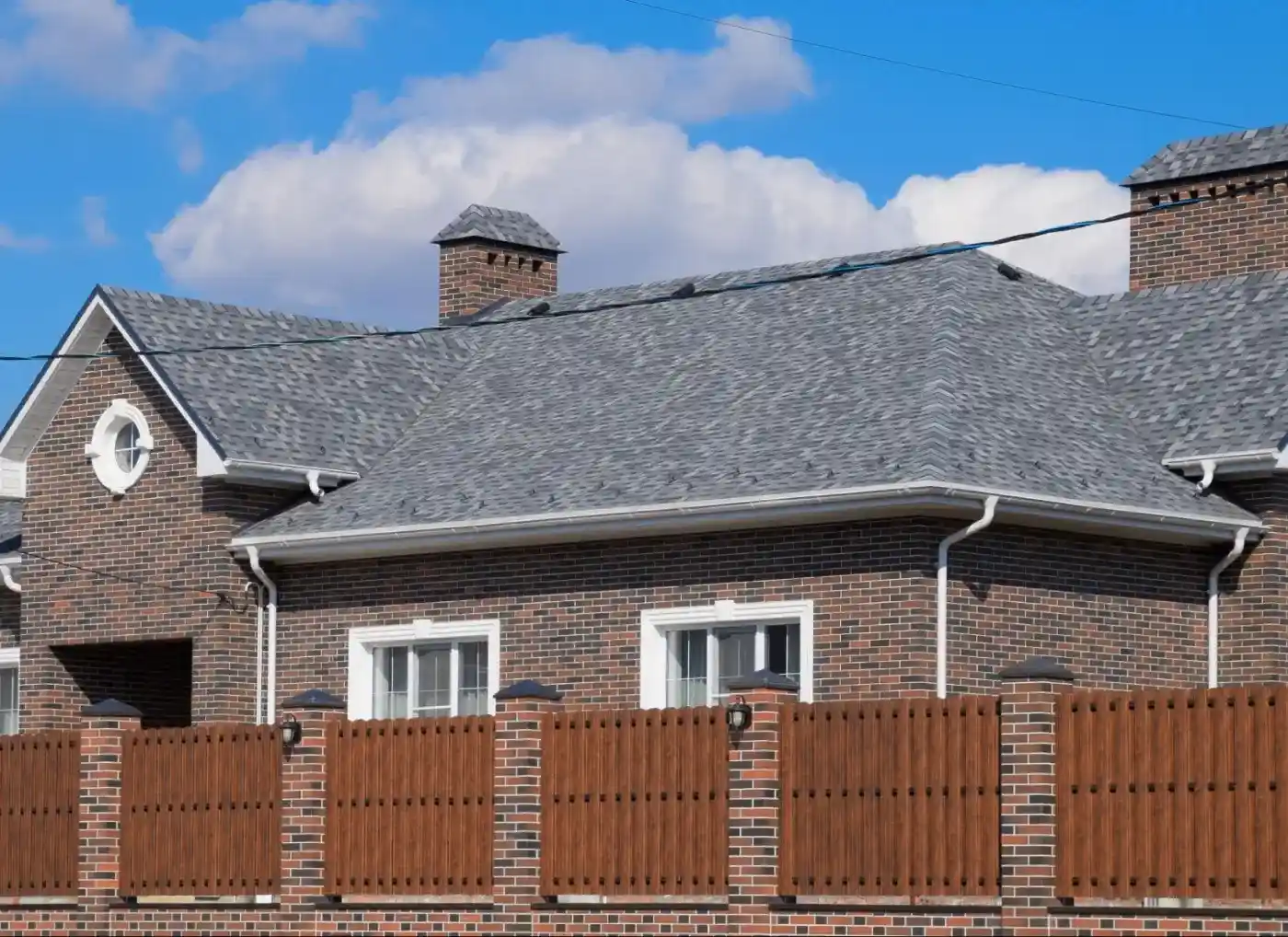
In South Texas, a standing seam metal roof lasts roughly 40 to 60 years and shrugs off hail without cracking, while architectural asphalt shingles last about 17 to 22 years and cost far less up front.
Pick the right roof in Hail Alley and you might never replace it again. Pick wrong and you’re back on the phone with an adjuster after the next April hailstorm. The metal-versus-shingle question gets answered differently in Cuero and Victoria than it does in national buying guides, because South Texas piles on three stressors at once, large hail, brutal summer heat, and Gulf humidity. Each material handles that trio in its own way.
This comparison breaks down how metal roofing and asphalt shingles actually perform against South Texas weather, what each costs in 2026, how insurance discounts change the math, and which roof fits which homeowner.
Quick Verdict
Metal wins on lifespan, hail durability, and heat reflection. Shingles win on upfront cost and easy repairs. The right choice depends on how long you’ll own the home and your budget.
Choose a metal roof if you plan to stay in the home long term, you want the longest hail and heat performance, or you want to stop replacing your roof every two decades.
Choose asphalt shingles if upfront budget is the priority, you want a roof that’s simple and cheap to repair after a storm, or you’re planning to sell within several years.
Metal Roof vs. Shingle: Side-by-Side Comparison
Across the factors that matter most in South Texas, metal leads on durability and energy while asphalt shingles lead on price and repair simplicity, with both able to earn insurance discounts.
| Factor | Standing Seam Metal | Architectural Asphalt Shingle | Edge |
| Lifespan (South Texas) | 40 to 60 years | 17 to 22 years | Metal |
| Hail performance | No cracking or granule loss, may dent cosmetically under large hail | Resists cracking in Class 4 grades, loses granules over repeated hits | Metal |
| Heat and energy | Reflects heat, 10% to 25% cooling savings, surface runs 50 to 60 degrees cooler | Absorbs more heat, fewer reflective options | Metal |
| Upfront cost (installed) | About $5 to $10 per sq ft | About $3.50 to $7 per sq ft, Class 4 grades $7 to $9.50 | Shingle |
| Repair after storm | Specialized, panels matched and replaced as sections | Quick and inexpensive, swap individual shingles | Shingle |
| Insurance discount | 15% to 28% with impact rating | 15% to 28% with Class 4 rating | Tie |
| Humidity and algae | Resists algae, needs corrosion-resistant coating near coast | Can grow algae and moss in humid air | Metal |
| Breakeven on cost | Year 12 to 15 once energy and insurance savings count | Lower cost is immediate | Depends on timeline |
How Each Roof Handles South Texas Hail
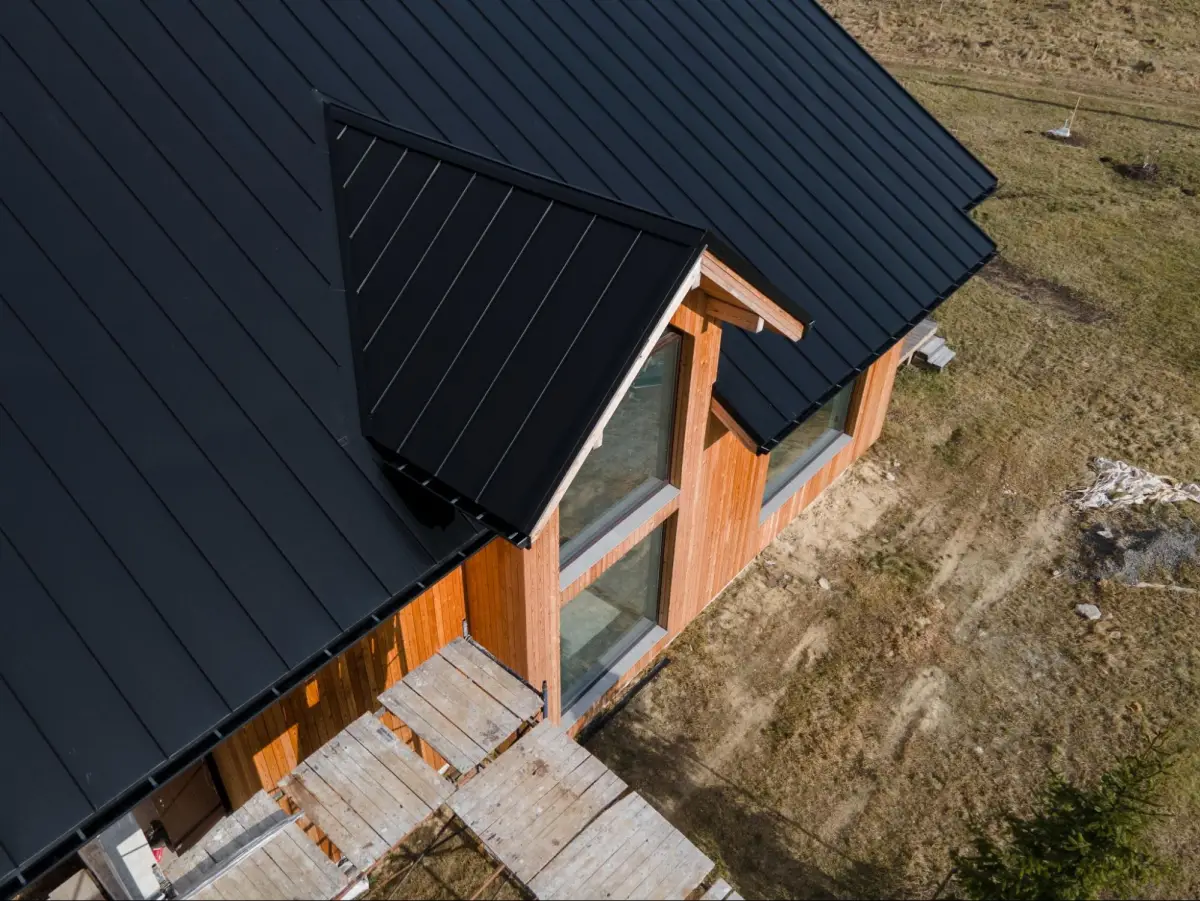
Metal roofs survive hail without losing waterproofing, while Class 4 asphalt shingles resist cracking but gradually shed the granules that protect them. Both can earn a Class 4 impact rating.
A Class 4 rating means the material passes a test where a 2-inch steel ball is dropped from a height that mimics a 90 mph impact. Metal panels and the top tier of asphalt shingles can both pass it, but they fail differently when real hail hits.
Metal doesn’t crack and doesn’t lose granules, because it has none. Golf-ball hail typically leaves no mark at all. Larger hail can leave a cosmetic dent in a standing seam panel, but the roof keeps doing its job: no cracks, no shed granules, no compromised waterproofing. That’s the practical difference. A dented metal roof still keeps water out for decades.
Class 4 asphalt shingles, products like GAF Armor Shield II or Owens Corning Duration Storm, use a modified asphalt matrix that resists cracking far better than standard three-tab shingles. They’re a real upgrade for hail country. But repeated impacts still knock loose some of the granule layer that shields the asphalt from UV, which slowly shortens the roof’s life. In a region that logged hundreds of hail reports in a single year, that repeated battering adds up.
Which Roof Performs Better in South Texas Heat
Metal roofs reflect solar heat and can cut cooling costs by 10% to 25% in hot southern climates, with surface temperatures running 50 to 60 degrees cooler than asphalt.
South Texas summers punish a roof. Dark asphalt shingles absorb heat and pass it into the attic, which pushes the air conditioner harder. Metal reflects far more of that solar energy. The Department of Energy estimates metal roofs save 10% to 25% on cooling in hot southern climates, and under the same sun a metal surface can sit 50 to 60 degrees cooler than asphalt.
For a homeowner running the AC from April through October, that reflectivity shows up on the electric bill month after month. Asphalt does offer reflective and lighter-colored options that help, but it can’t match bare metal’s heat-shedding. Over a 15-year stretch of South Texas summers, the energy gap is one of the biggest hidden costs in the comparison.
Humidity, Algae, and Coastal Air
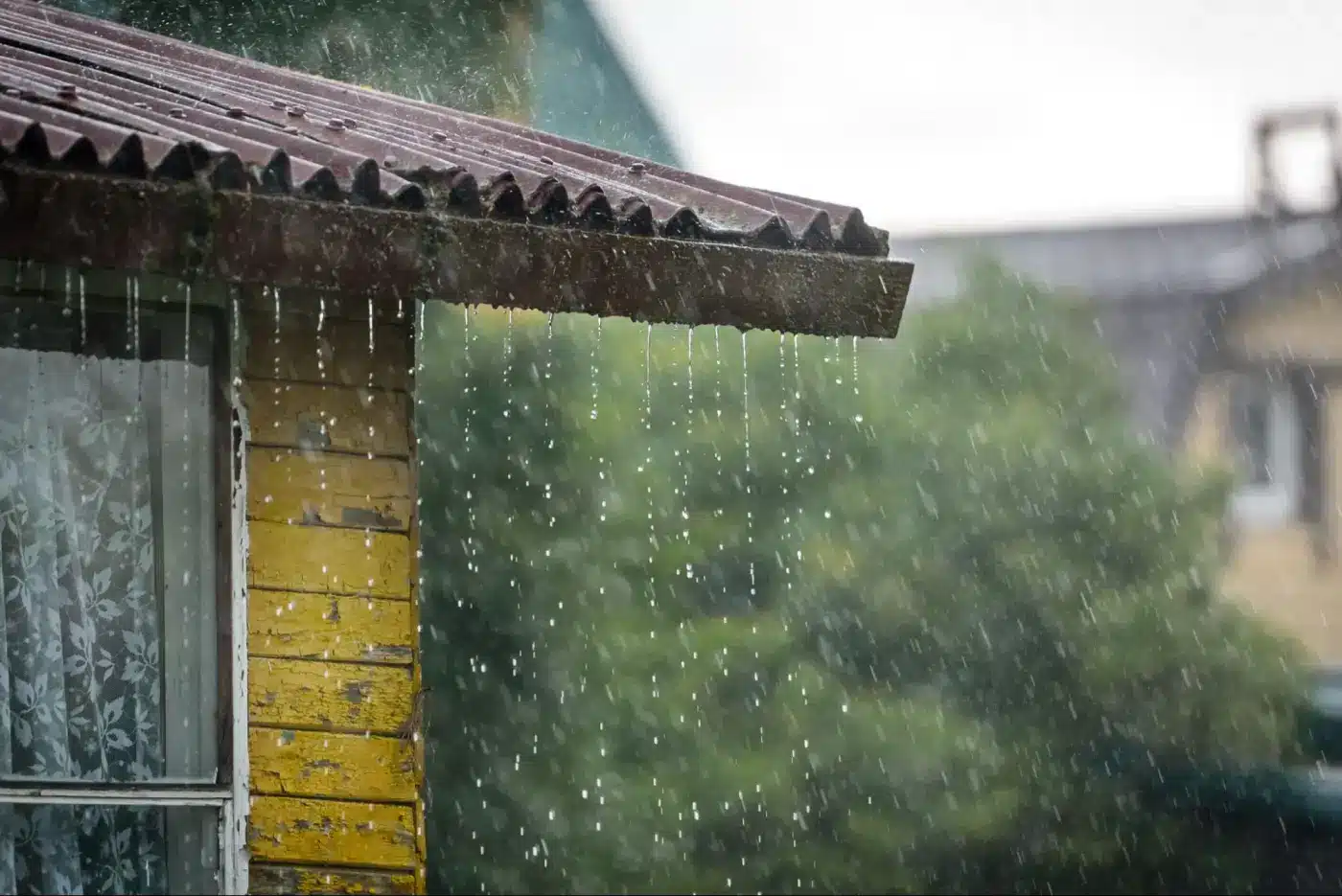
Metal resists the algae and moss that humid Gulf air encourages on shingles, though metal near the coast needs a corrosion-resistant coating to hold up against salt.
Humidity is the third stressor people forget. Damp, warm air feeds the black algae streaks and moss that show up on aging asphalt shingles, which looks bad and traps moisture against the roof. Metal sheds water fast and gives algae nothing to grab.
The trade-off runs the other way near the coast. Salt air can corrode bare or low-grade metal over time. For homes closer to the Gulf, a Galvalume or properly coated metal panel handles that exposure. Inland South Texas towns like Cuero, Gonzales, and Hallettsville see less salt, so standard quality metal performs well there. A local roofer who knows the difference between a Victoria install and a coastal one will spec the right coating.
Cost: Metal vs. Shingle in 2026
In 2026, asphalt shingles cost about $3.50 to $7 per square foot installed in South Texas, while standing seam metal runs roughly $5 to $10 per square foot, so metal costs more up front.
The sticker shock is real, and it’s the main reason shingles still dominate. Here’s how the numbers break down in the regional market.
| Roof type | Installed cost (per sq ft) | Typical lifespan | Notes |
| Architectural asphalt shingle | $3.50 to $7 | 17 to 22 years | Lowest upfront cost, simple repairs |
| Class 4 impact-resistant shingle | $7 to $9.50 | 20 to 25 years | Better hail resistance, insurance discount eligible |
| Standing seam metal | $5 to $10 | 40 to 60 years | Highest upfront cost, longest life |
Prices current as of June 2026 and vary with home size, roof pitch, and access. The longer-term picture flips the ranking. Because a metal roof can outlast two or even three shingle roofs, the cost per year of service often favors metal once you factor in energy and insurance savings. Analysts put the breakeven point around year 12 to 15. Stay in the home past that, and metal tends to come out ahead. Sell before it, and shingles likely saved you money.
Insurance Discounts in Texas
Most Texas insurers offer a 15% to 28% premium discount for impact-resistant roofs, and both standing seam metal and Class 4 asphalt shingles qualify.
This is the factor that quietly closes the cost gap. Texas carriers reward roofs that hold up to hail because those roofs file fewer claims. Impact-rated metal and Class 4 shingles both unlock the discount, which can run 15% to 28% and sometimes higher. Over a 20 or 30 year roof life, that’s thousands of dollars back in your pocket.
To claim it, keep your documentation. Insurers want proof of the impact rating, usually a manufacturer certificate or the product spec from your installer. A roofer who installs impact-rated roofs routinely will hand you the paperwork you need.
Which Roof Is Right for You
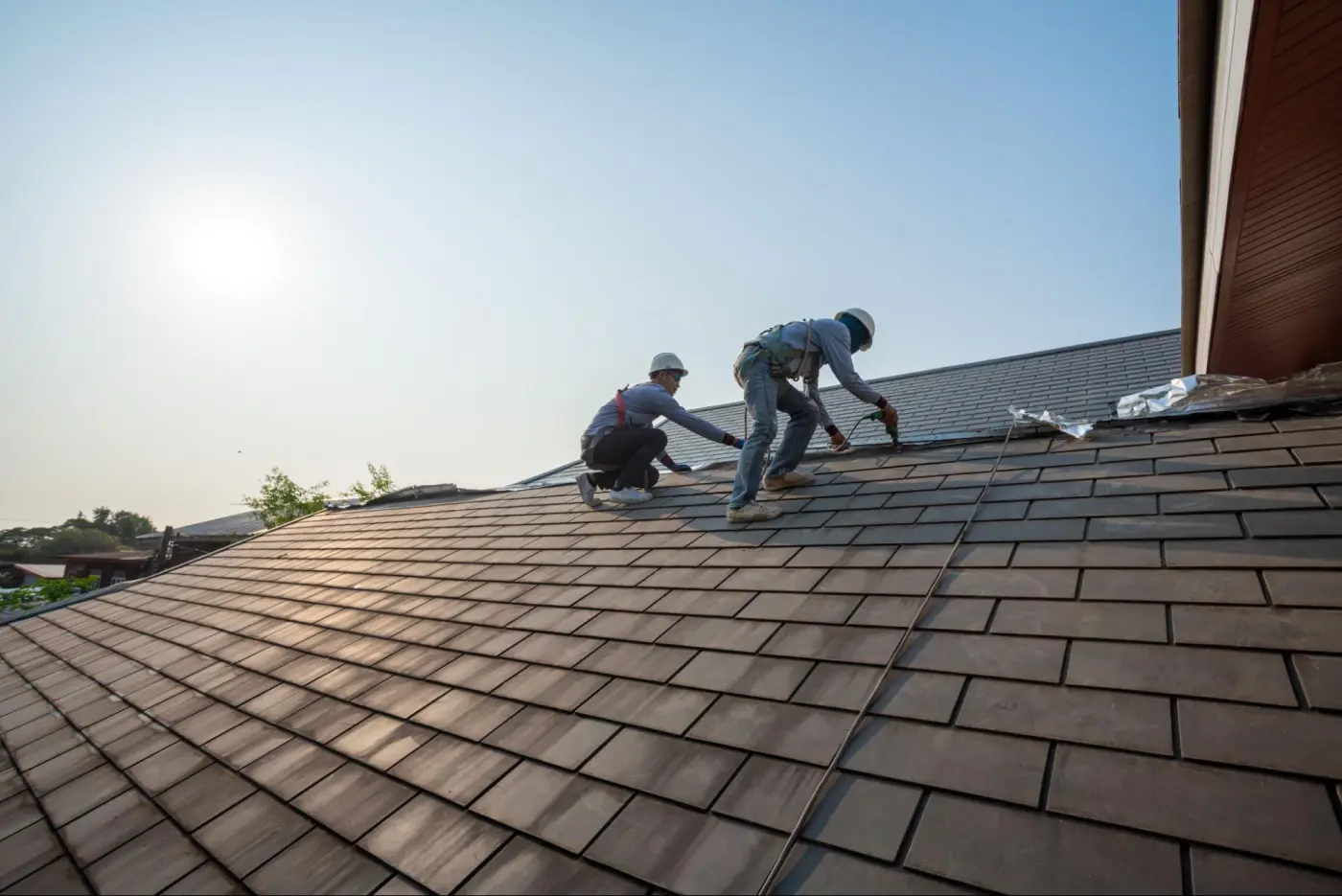
Metal is the better long-term choice for homeowners staying put, while asphalt shingles are the better fit for tighter budgets or shorter ownership timelines.
Metal is the stronger choice when
- You plan to own the home for 15 years or more and want to stop replacing the roof.
- Hail and heat performance matter more to you than the upfront check.
- You want the lowest cost per year of service over the long run.
Asphalt shingles are the stronger choice when
- Upfront budget is the deciding factor.
- You want fast, cheap repairs after a storm, swapping a few shingles instead of matching panels.
- You expect to sell within several years and won’t recoup the metal premium.
Many South Texas homeowners land on Class 4 asphalt shingles as the middle path: better hail resistance and an insurance discount, without the full cost of metal. There’s no universally correct answer, only the one that fits your timeline and budget.
Working With a Roofer That Installs Both
A roofer that installs both metal and shingle roofs can give a straight comparison instead of steering every homeowner toward the one product it sells.
This matters more than it sounds. A company that only does shingles will tell you shingles are best, and a metal-only outfit will say the opposite. Cox Brothers Roofing installs both across its South Texas service area and works in multiple markets, which gives it a read on how each material performs in different parts of the region. The company offers metal roofing alongside its shingle work and publishes a shingle vs. metal comparison for homeowners weighing the choice.
Seeing both options installed across the same hail-prone region is the kind of firsthand experience that generic comparison content can’t offer.
How We Compared These Roofs
This comparison draws on 2026 Texas roofing cost data, Department of Energy efficiency estimates, manufacturer impact ratings, and regional hail-frequency reporting for South Texas.
The figures here come from several sources working together. Lifespan and hail-performance details reflect manufacturer testing standards and Texas roofing market reporting. Energy savings come from Department of Energy estimates for metal roofing in hot southern climates. Cost ranges reflect 2026 South Texas pricing. Insurance discount ranges reflect current Texas carrier practices for impact-rated roofs. The performance patterns specific to hail, heat, and humidity reflect how these materials behave in the South Texas climate where Cox Brothers Roofing works across Cuero and Victoria.
Frequently Asked Questions
Does a metal roof or shingle roof last longer in South Texas?
Metal lasts far longer. A standing seam metal roof runs 40 to 60 years in the South Texas climate, while architectural asphalt shingles last about 17 to 22 years.
Heat, hail, and humidity all shorten a shingle roof’s life faster than a metal one. Class 4 shingles can stretch to 20 to 25 years but still trail metal by decades.
Which roof holds up better to hail, metal or shingles?
Metal holds up better. It doesn’t crack or lose granules, and large hail usually leaves only cosmetic dents without compromising waterproofing.
Class 4 asphalt shingles resist cracking well but gradually shed protective granules under repeated hail. Both can earn a Class 4 impact rating, but metal keeps performing even after it’s dented.
Is a metal roof worth the extra cost in Texas?
For long-term owners, often yes. Metal costs two to three times more up front but can outlast two or three shingle roofs and saves on cooling and insurance.
The breakeven point typically lands around year 12 to 15. Homeowners staying past that usually come out ahead, while those selling sooner may prefer shingles.
Do metal roofs and impact-resistant shingles lower insurance premiums?
Yes. Most Texas insurers offer a 15% to 28% premium discount for impact-resistant roofs, and both standing seam metal and Class 4 asphalt shingles qualify.
You’ll need to show proof of the impact rating, usually a manufacturer certificate from your installer, to claim the discount.
Are metal roofs noisy in South Texas storms?
Not when installed correctly. A metal roof over solid decking with proper underlayment is about as quiet as a shingle roof during rain or hail.
The “loud metal roof” reputation comes from bare panels over open framing, which is not how residential metal roofs are installed today.
What is the best roof for South Texas heat?
Metal is the strongest performer for heat. It reflects solar energy, can cut cooling costs by 10% to 25%, and runs 50 to 60 degrees cooler at the surface than asphalt.
Lighter-colored and reflective shingles help, but they don’t match bare metal’s heat-shedding in the South Texas summer.
Conclusion
Metal is the longer-lasting, cooler, more hail-tough roof for South Texas, while asphalt shingles win on upfront cost and repair simplicity, which makes ownership timeline and budget the deciding factors.
If you’re staying in the home for the long haul and want to stop fighting hail and heat every few years, metal usually justifies its premium by year 12 to 15. If budget is tight or you’re moving on soon, a Class 4 asphalt shingle gives you strong hail resistance and an insurance discount without the bigger check. Homeowners across Cuero, Victoria and surrounding areas can compare both options with Cox Brothers Roofing. Contact us today to learn more.