
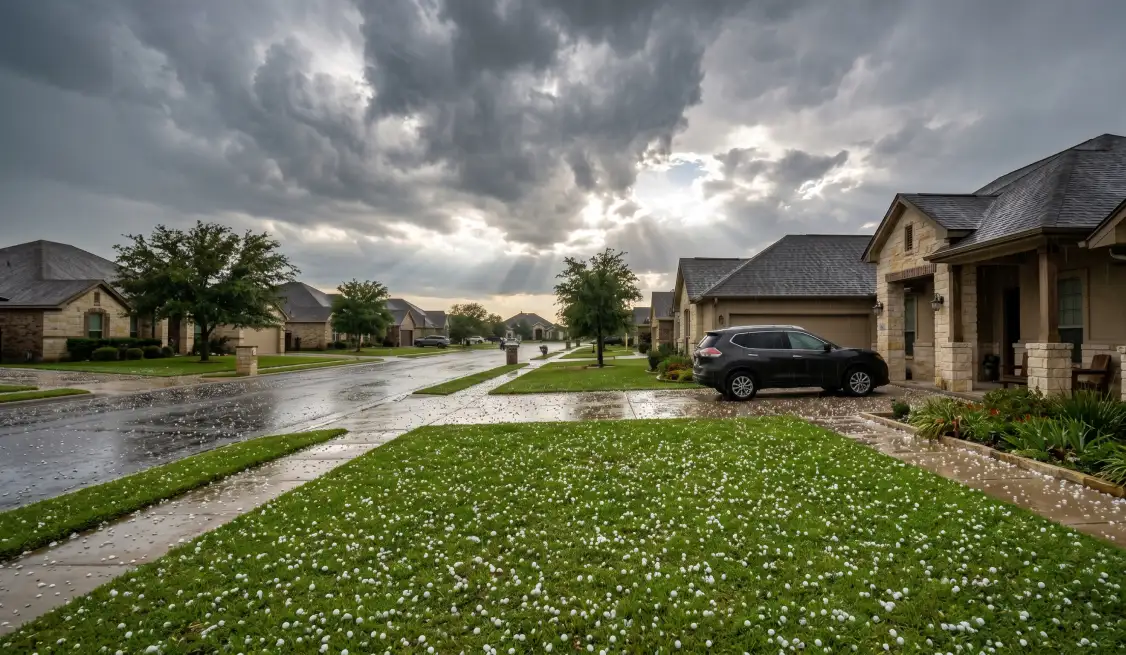
If you’ve lived in South Texas for more than a spring or two, you’ve watched a storm roll in off the Gulf and wondered what was about to fall out of it. Hail damage is the single most expensive roof problem we see across Cuero, Victoria, Goliad, and the San Antonio metro, and it shows up in ways most homeowners don’t notice until there’s water dripping through a kitchen light. This guide walks through what hail actually does to a roof down here, how to tell if your home took a hit, and what to do before you file an insurance claim.
Why South Texas Gets Hit Harder Than Most States
Texas leads the country in hail insurance claims almost every year, and our stretch of the state sits squarely in the path of spring storm cells rolling off the Hill Country. Victoria, Cuero, Gonzales, and the 35 corridor see quarter-size or larger hail on average 3 to 5 times every spring. May is the worst month, but a nasty hailstorm can hit anywhere from March through June.
Our summer heat makes the damage worse. Roofs here bake at 150-plus degrees on the black shingle surface, which makes asphalt brittle faster than the same product installed in cooler climates. Brittle shingles plus hail is a bad combination. That’s why a 12-year-old roof in Victoria often looks like an 18-year-old roof in Pennsylvania.
Hail Damage by the Numbers
Size matters more than how long the storm lasts. Pea-size hail almost never damages an asphalt roof. Quarter-size hail, 1 inch across, is where insurance claims get real. Anything above 2 inches usually totals the roof outright. A 90-second storm of 1.5-inch stones will do more damage than 20 minutes of marble-size.
Quick reference for asphalt shingle roofs:
- ¼ to ¾ inch: cosmetic only, minor granule loss, usually no claim worth filing
- 1 inch (quarter): bruising, granule displacement, insurance claim threshold
- 1.5 inch (ping pong): cracked mats, dented soft metal, flashing damage
- 2 inch+ (hen egg): punctures and full replacement usually approved
- 2.5 inch+ (tennis ball): totaled roof, possible deck damage underneath
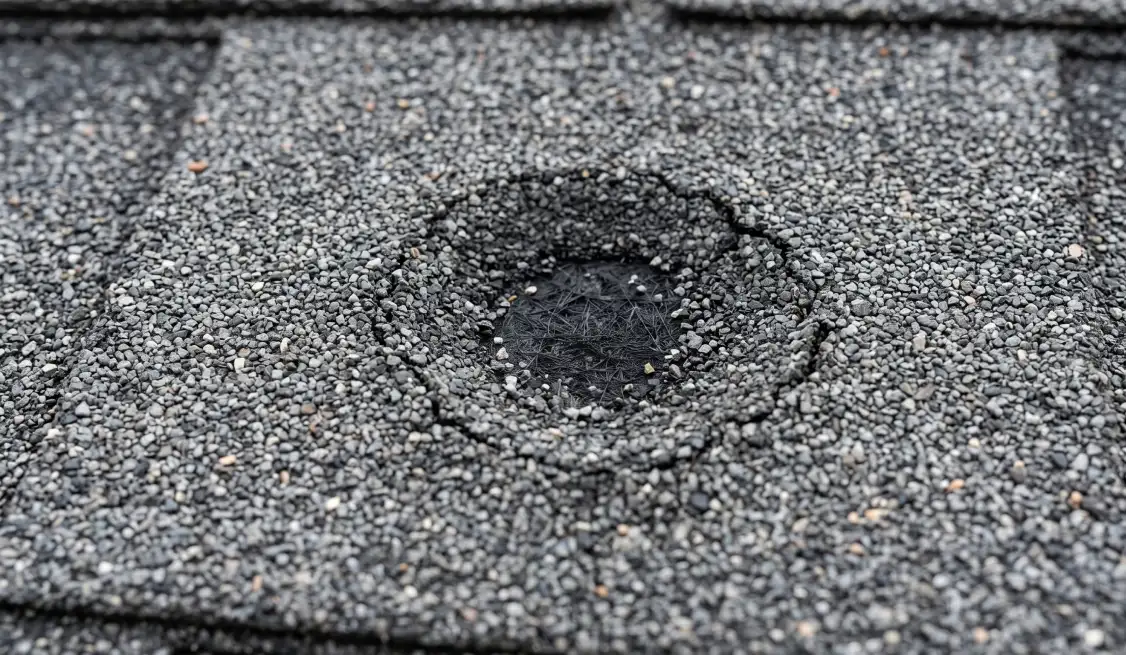
How to Spot Hail Damage From the Ground
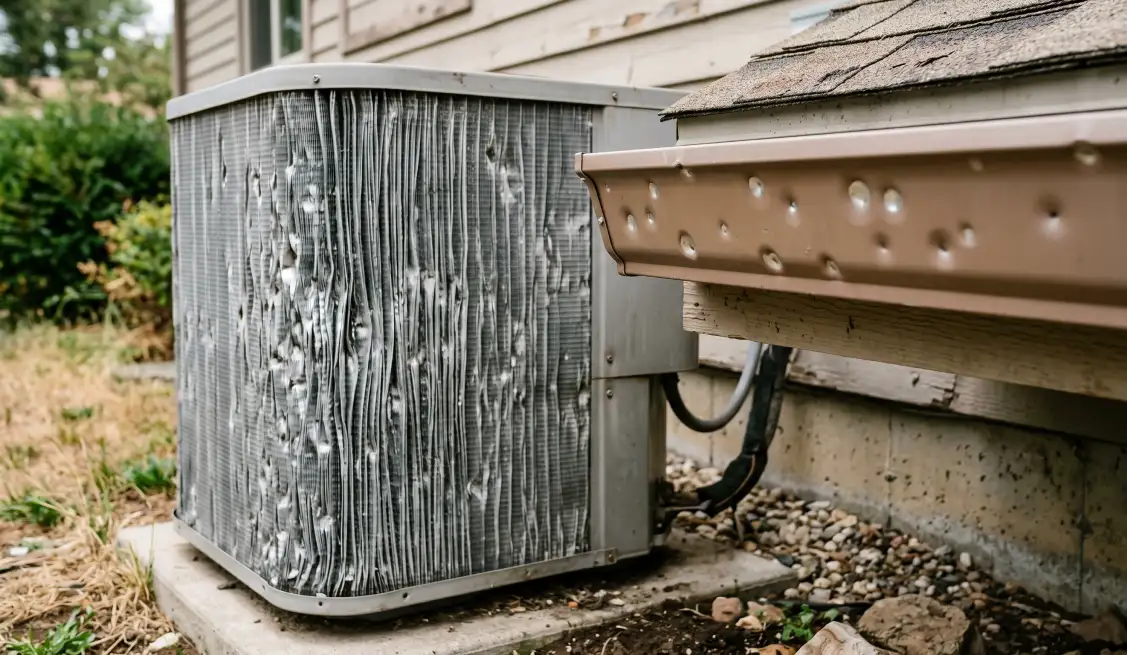
You don’t need to climb up there. Walk the house with your phone and look for three things: dings on soft metal (vents, gutters, AC fins), shattered granules piled in gutters and splash zones under downspouts, and cracked shingles along the eaves where you can see them from a ladder at the gutter line. For more on what hail damage roof repair involves once you’ve spotted the signs, start with our service page.
If you count more than a dozen dings on your AC condenser fins or see round impact marks on the gutter faces, your roof almost certainly took matching damage. Adjusters call these collateral indicators. They love them because they’re easy to photograph from the ground.
Soft spots worth checking first:
- AC condenser fins bent or flattened
- Gutters with round dents on the outward-facing metal
- Metal vent hoods, flashing, and chimney caps
- Mailbox, grill, and outdoor furniture for matching dings
- Fence tops and any painted wood trim
What to Do in the First 48 Hours After a Hail Storm
Take pictures before anything else. Timestamped phone photos of your yard, siding, AC unit, and ground-level roof shots carry weight with adjusters. If you see an active leak inside, tarp it from the attic side using a bucket first and get a professional up there as soon as the weather clears.
Then write down when the storm hit and how long it lasted. Call a local roofer for a free roof inspection, but don’t file your insurance claim until after that inspection. We’ve seen homeowners file for $3,000 of damage on a $4,500 deductible and get rate increases anyway. A reputable roofer will tell you if it’s worth filing or not.
When Insurance Covers Hail Damage (And When It Doesn’t)
Hail is a covered peril on almost every homeowner’s policy in Texas, but the details matter. Most South Texas policies now have a separate wind/hail deductible, typically 1% to 2% of your dwelling coverage. On a $400,000 home, that’s a $4,000 to $8,000 out-of-pocket hit before insurance pays a dollar.
When Coverage Usually Gets Approved
- Hail of 1 inch or larger is confirmed by NOAA radar data for your address
- Damage appears on multiple slopes, not just one panel
- Roof is under 20 years old, under 15 for some carriers
- You file within the policy deadline, usually 1 year in Texas
Why Claims Get Denied
Wear-and-tear exclusion is the number-one denial we see. If shingles were already curling or the roof was 22 years old, adjusters will often blame age instead of hail. The other common denial is prior-damage overlap. If you filed in 2021 and didn’t use the payout on a new roof, a 2026 adjuster will deny anything that was in the old report.
Hail Damage Repair vs Full Roof Replacement
Spot repairs make sense on damage covering less than 10% of the roof and on newer roofs where matching shingles are still available. Full replacement usually wins when damage spans a full slope, when the roof is 12 or more years old, or when the original shingle color has been discontinued. Manufacturers retire colors every few years, so a patch on a 9-year-old roof often stands out like a new tooth.
If you get quoted both a repair and a replacement from the same roofer, ask them to explain in writing why they picked one over the other. Any honest roofer will put it on paper.
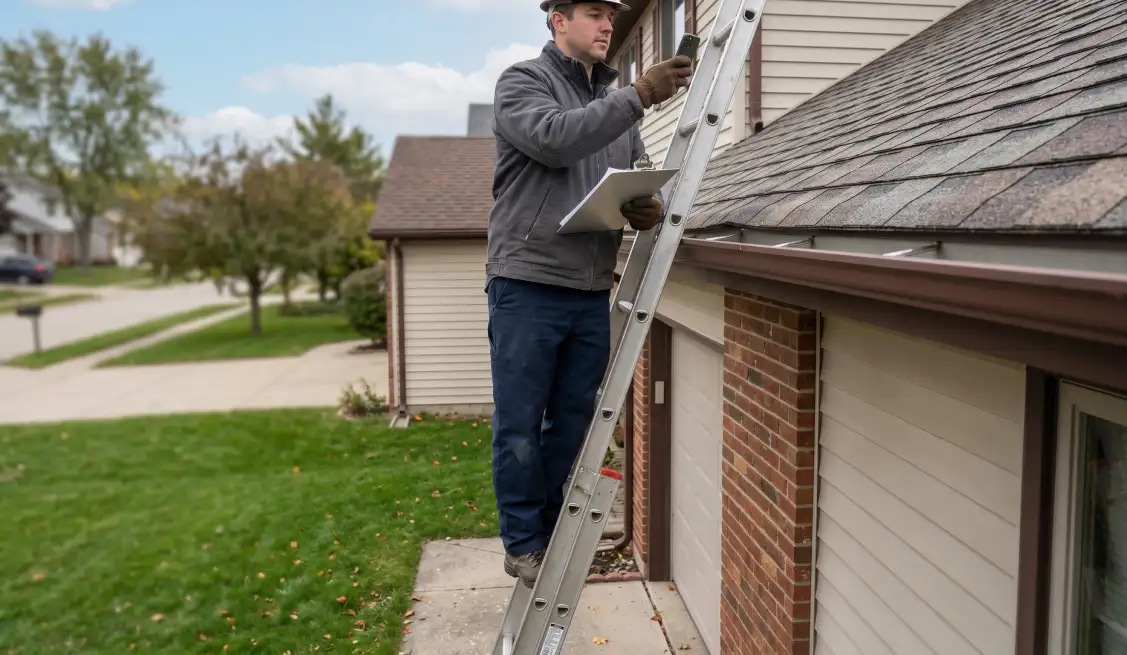
Contact Cox Brothers Roofing for a Free Hail Damage Inspection
Hail damage in South Texas isn’t a question of if, it’s a question of when. The best thing you can do is know what you’re looking at, document it fast, and get a roofer who’ll tell you the truth about whether it’s worth filing a claim.
If a storm rolled through your area and you want a second set of eyes on the roof, contact Cox Brothers Roofing at (361) 867-3186. We’ll walk the roof, show you the photos, and give you a straight answer on whether to call your insurance company. Our team works with adjusters every week across Cuero, Victoria, and San Antonio, so we know what they approve and what they push back on.
Frequently Asked Questions
What size hail damages a roof?
Quarter-size hail, about 1 inch across, is where roof damage starts becoming serious for asphalt shingles. Around 1.5-inch hail can crack shingle mats and dent metal, while 2-inch or larger hail often leads to full roof replacement.
How do I check for hail damage from the ground?
Walk around your home and look for dents on soft metal surfaces like gutters, vents, and AC condenser fins. You should also check for granules near downspouts and visible shingle damage along the roof edge.
Is hail damage covered by homeowners insurance in Texas?
Yes, hail damage is usually covered by most Texas homeowners insurance policies. Coverage depends on your deductible, the age and condition of the roof, and whether the damage meets the insurer’s approval guidelines.